
Video game law, explained.
Analysis of what is happening in the industry: intellectual property, contracts, licences, esports and artificial intelligence. No empty headlines, sources in plain sight.
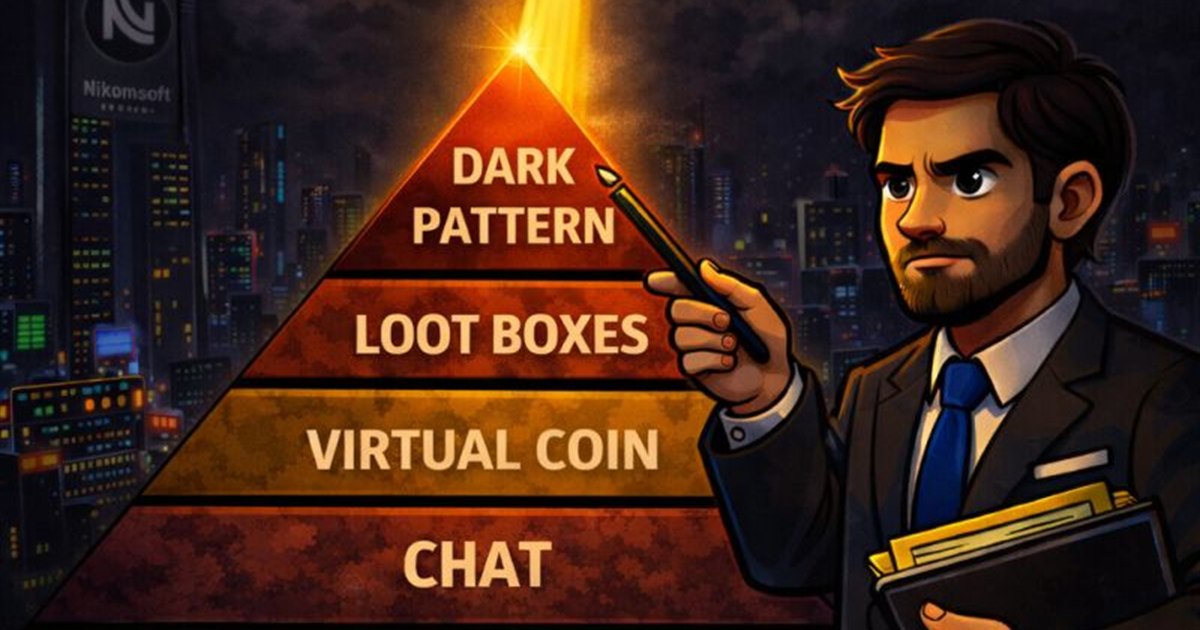
Top 5 most conflictive legal issues when creating video games in 2026
AI, chats, virtual currencies, loot boxes and dark patterns: the five legal fronts a studio must settle at the design stage, before writing any code.
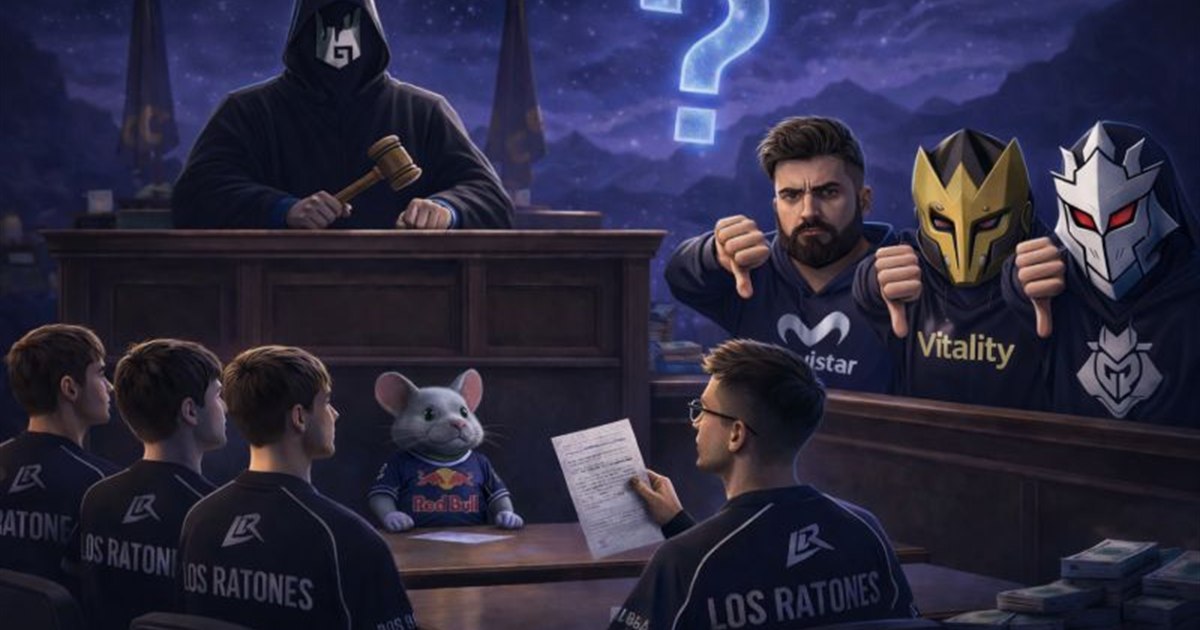
How much room do esports clubs have to claim against the owner of a private league?
Los Ratones entered the LEC for free and the franchises that paid millions wonder if they can claim. How much room clubs really have against the league owner.
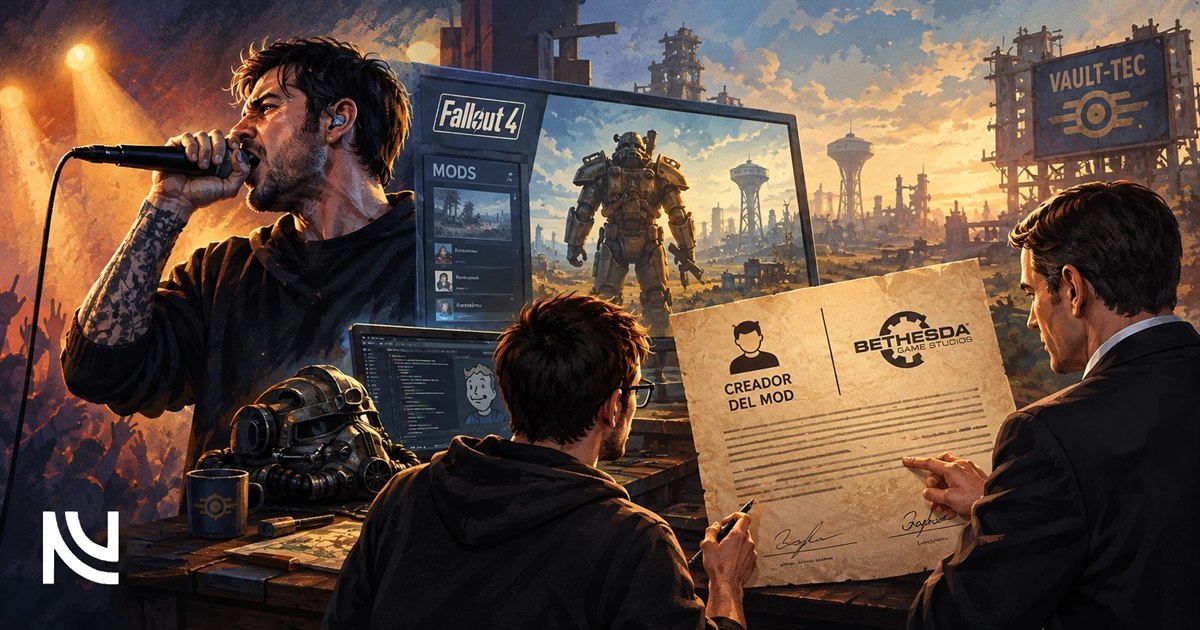
What is a mod, and what exploitation rights does its creator have?
A singer promotes his Fallout 4 mod from the stage and uncovers the question: who owns a mod, what can the modder do with it, and what does the studio keep.
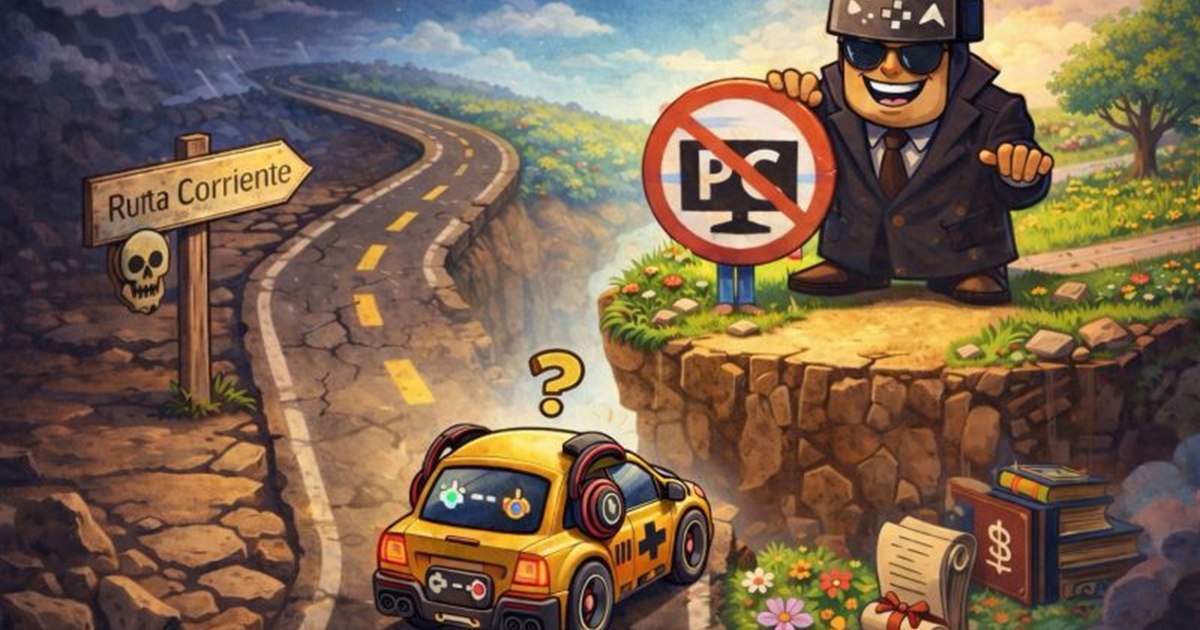
Can the publisher stop my game from being released on a specific platform?
Sony pulls its exclusives back to console. What your publishing contract says about platforms: when the publisher may decide, and when it is in breach.
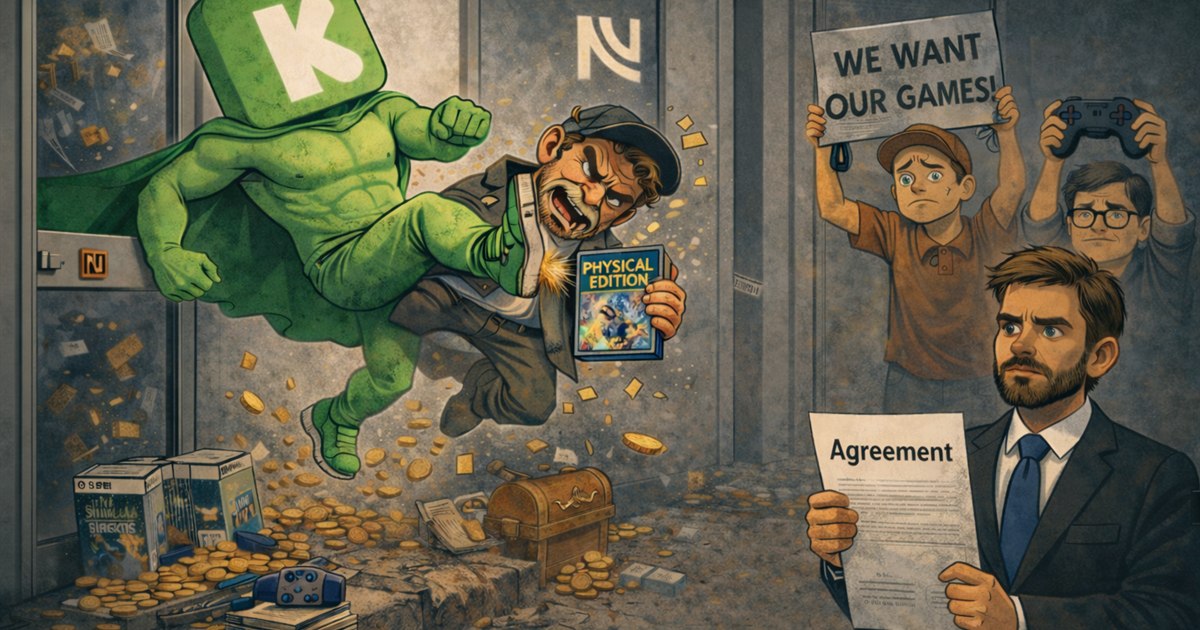
You funded your game on Kickstarter and the publisher won't deliver: the Chained Echoes case
The creator of Chained Echoes is suing his publisher over undelivered physical editions. Who answers to the backers, and how to exit the contract in time.
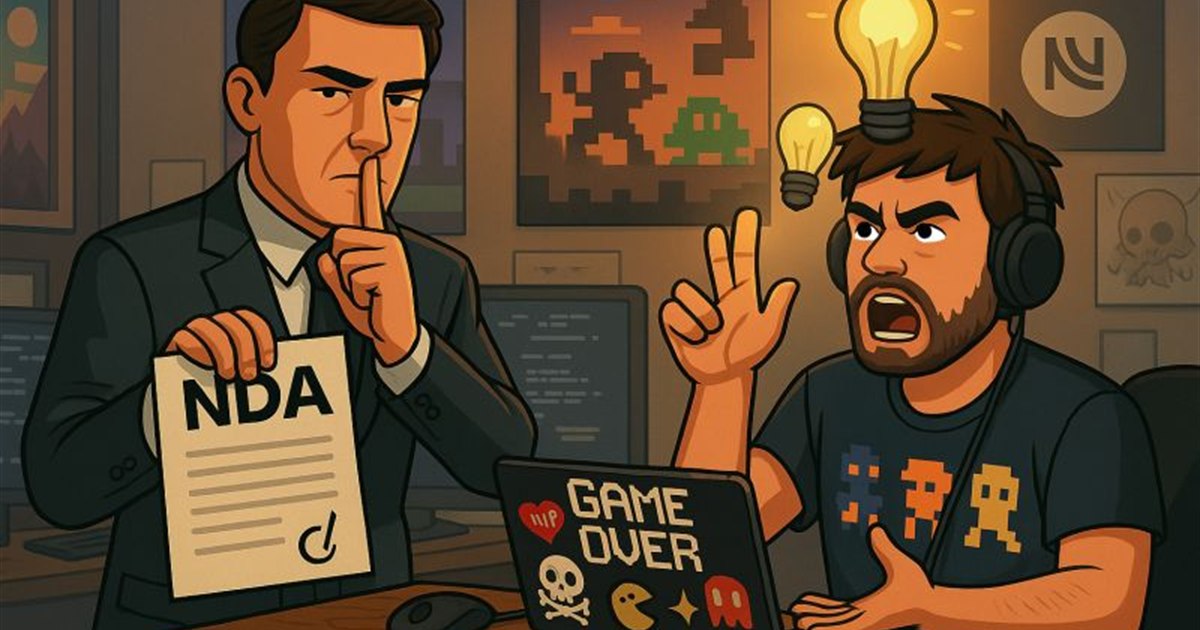
Can I freely promote the part of the game I contributed to?
Playdead is suing its co-founder for showing internal Limbo material. Where your right to be credited as an author ends, and where the NDA you signed begins.
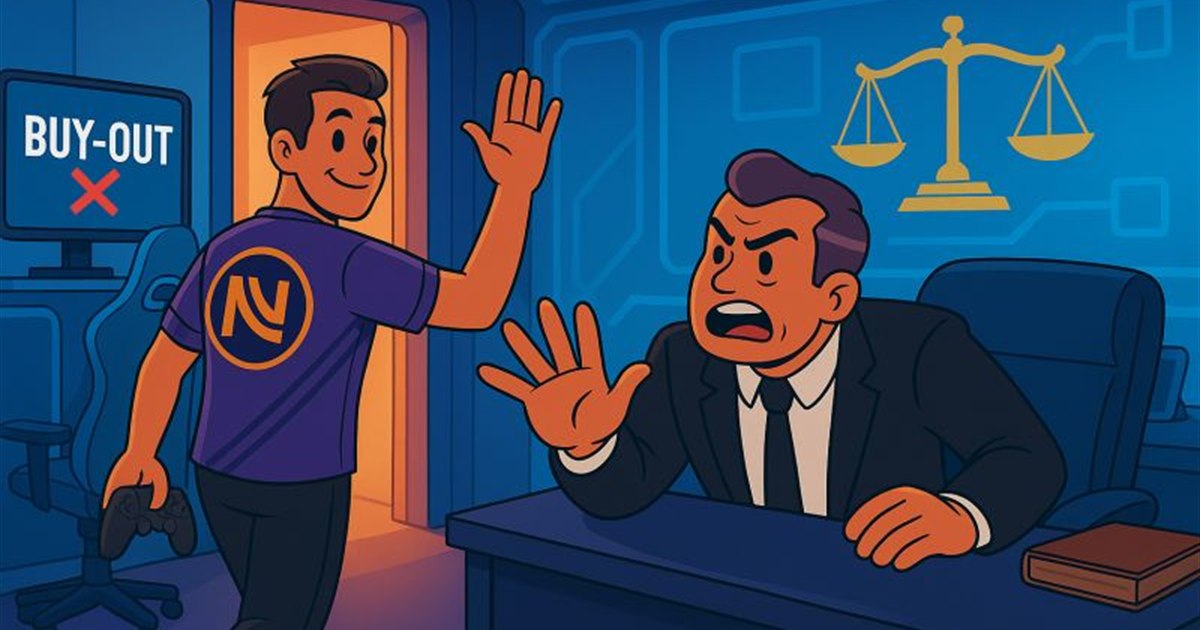
How enforceable are buy-out clauses in esports?
With no special regime like football's, your contract clause is worth what Spanish employment law says. What the Supreme Court demands for it to hold up.
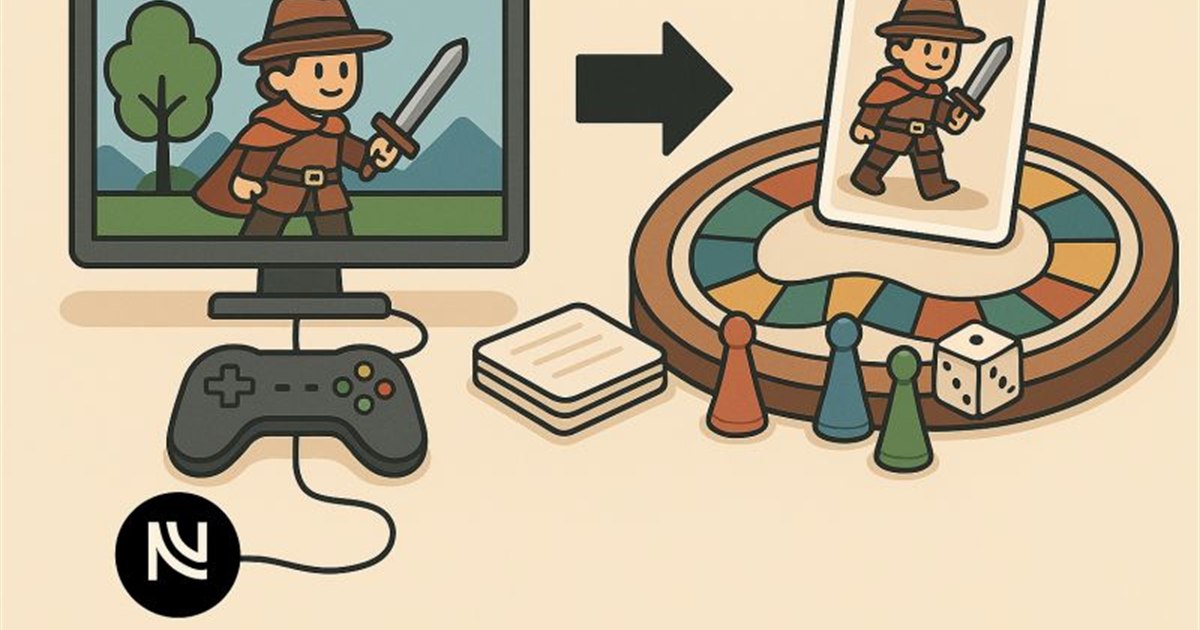
How far can you protect the board game based on your video game?
Turning your video game into a board game? What the law protects in the jump to physical format, what stays free and what you may already have assigned.
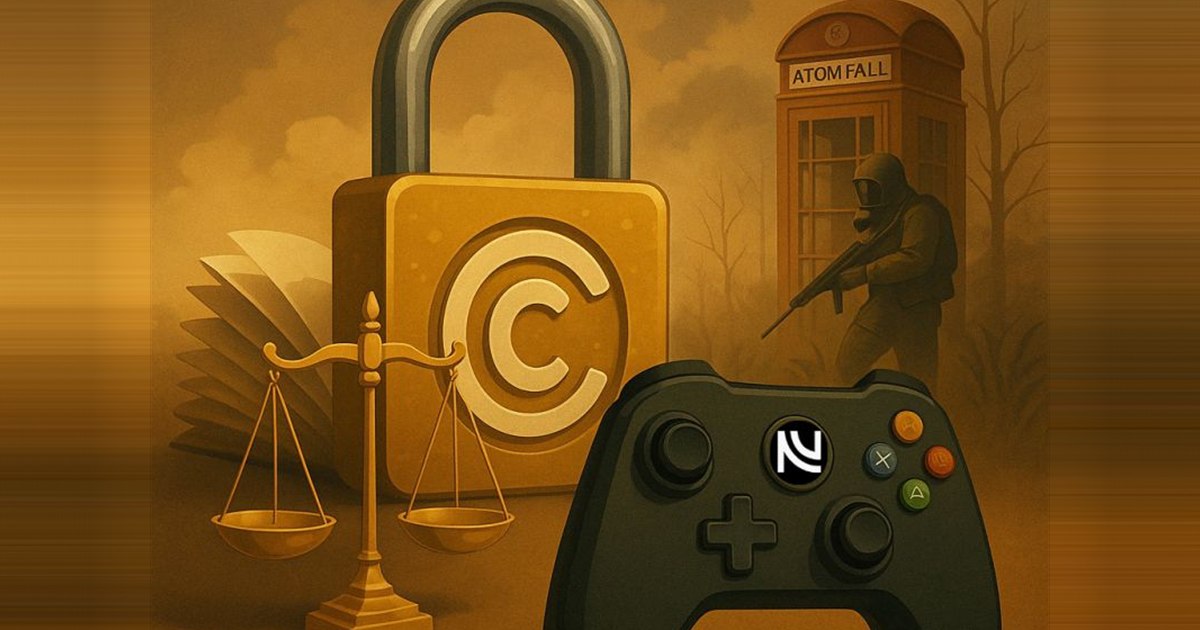
The perfect commercial strategy for your video game: Atomfall's legal shield
What sits behind Atomfall's launch: a closed chain of title, infringement risks anticipated and every new content drop protected. The strategy, explained.
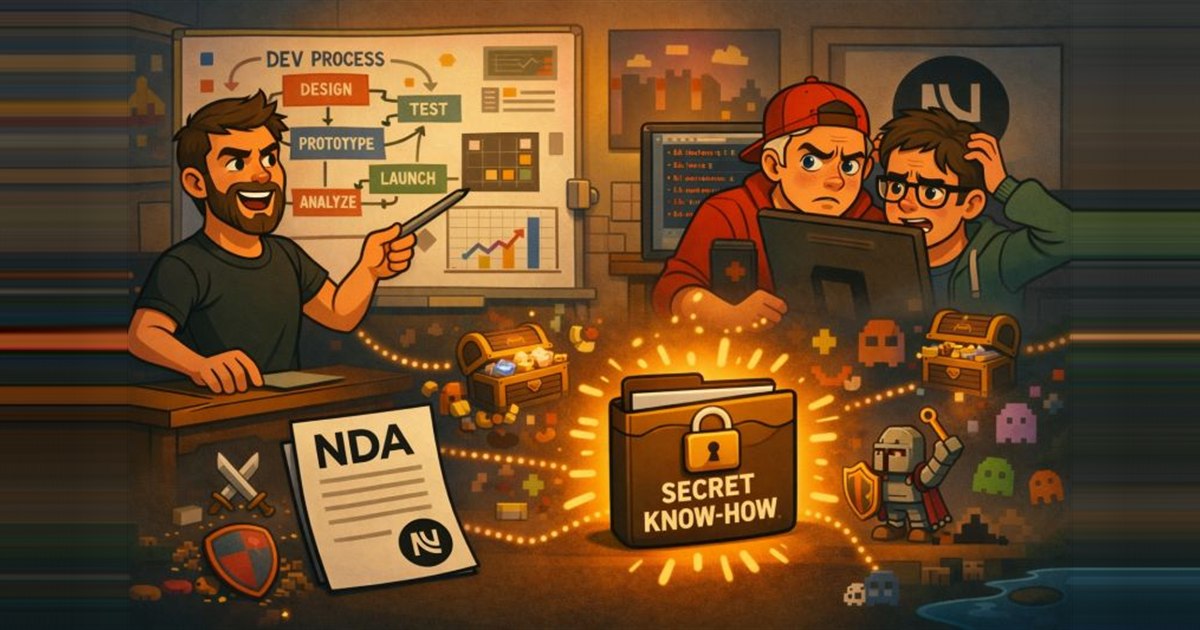
Can a studio protect the way it works internally?
Your edge is not the code, it is how your team works. What the Spanish Trade Secrets Act protects, what always fails, and how to handle freelancers and exits.
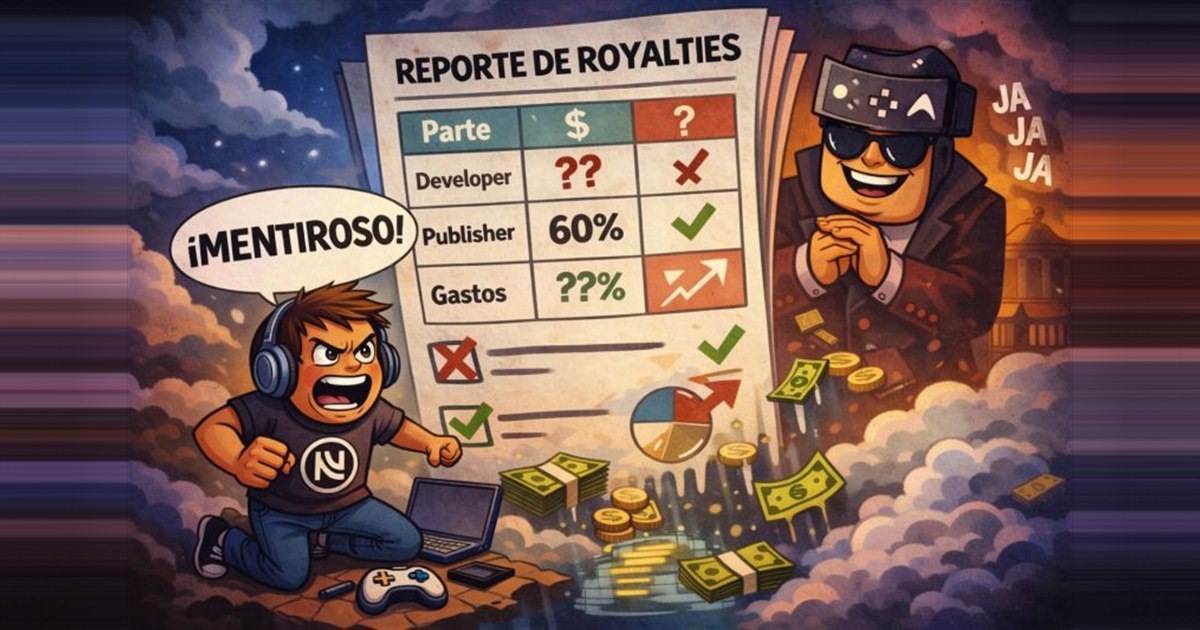
How can you know for certain how much your video game earns?
How to know what your video game really earns: what the publisher must report, what the law has required since 2022 and the clauses your contract needs.
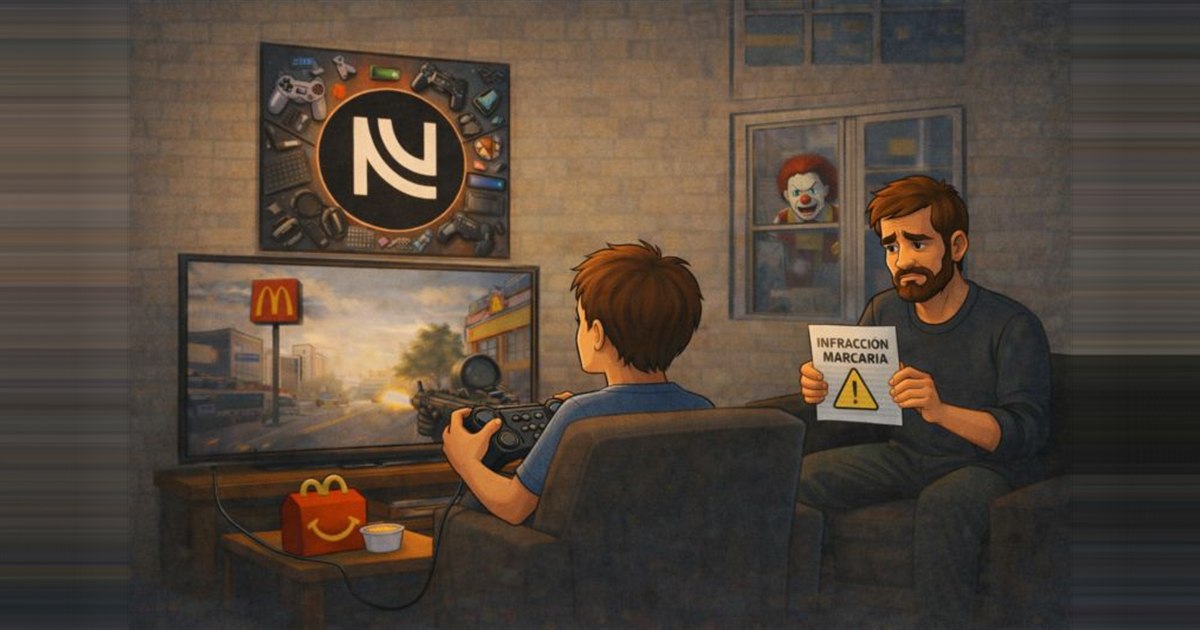
Can I integrate any trade mark into the code of my video game?
Spain's Supreme Court holds EA liable for using FUT DRAFT as the name of a game mode. What it means for your studio and how to clear a sign before the build.
Am I the author of content I generate with artificial intelligence?
Do you own what you generate with AI? What Spanish law requires, what a German court has just ruled and how to prove there was human creative input.
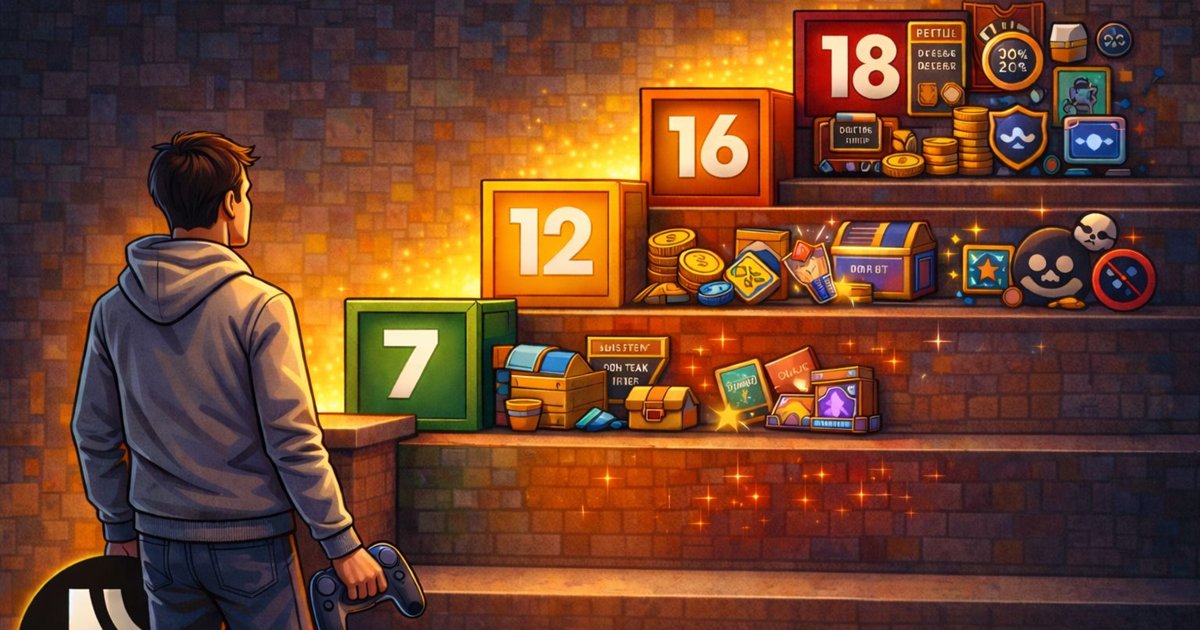
The new PEGI criteria: loot boxes now raise the age rating
From June 2026 loot boxes carry an automatic PEGI 16 and battle passes PEGI 12. What changes for your video game and how it affects monetisation.
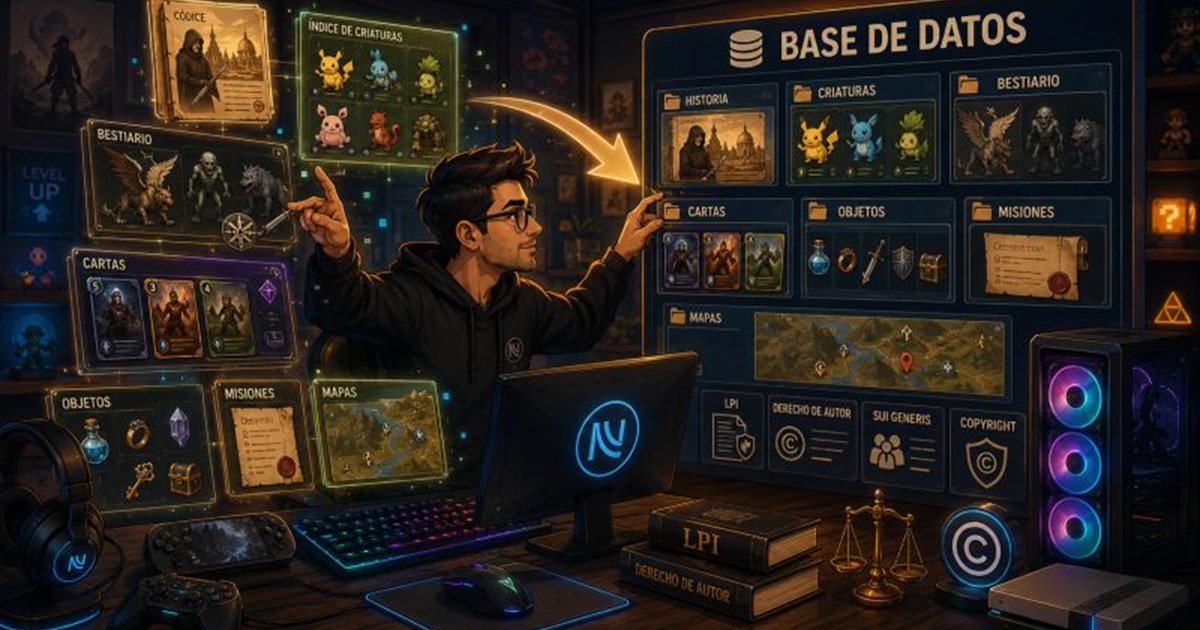
Video game databases: what they are and when they can be protected
The Pokédex, the bestiary, the codex: what the law protects in your game's databases, when the sui generis right applies and why sometimes it does not.
Protecting minors in video games: what your studio must do today
Parental controls, age verification, moderation and loot boxes: what is required today of a studio with underage players and what the new Spanish law adds.
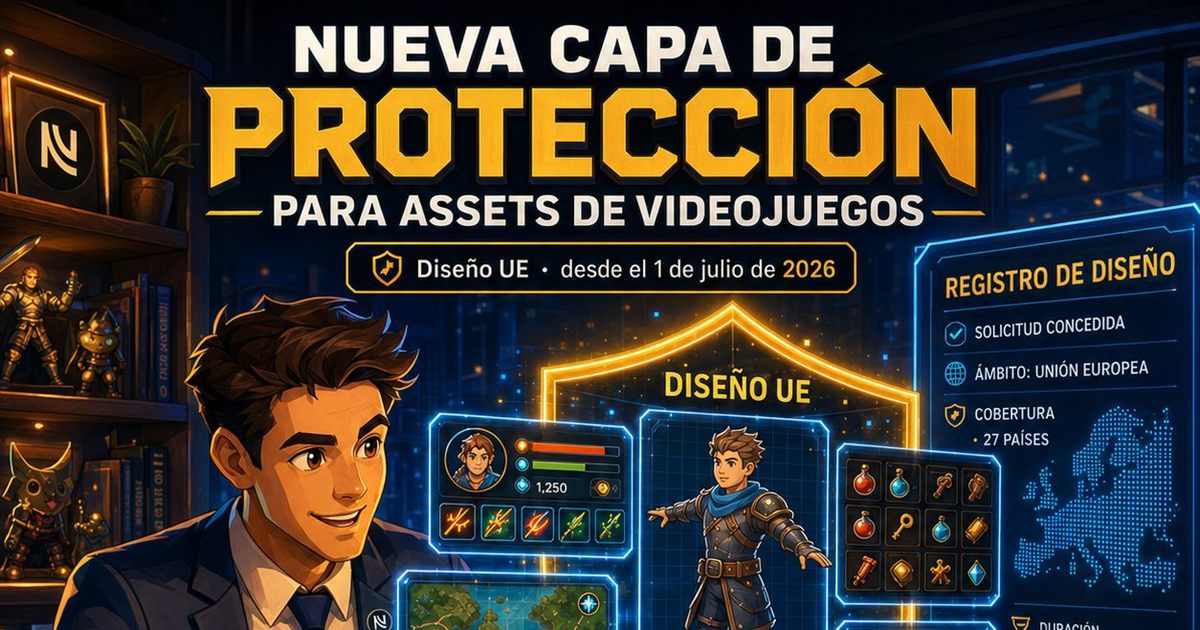
Characters, interfaces and animations: protecting your video game with the European Union design
Since July 2026 you can register characters, interfaces and animations as EU designs. What to protect, how, and why to do it before the trailer.
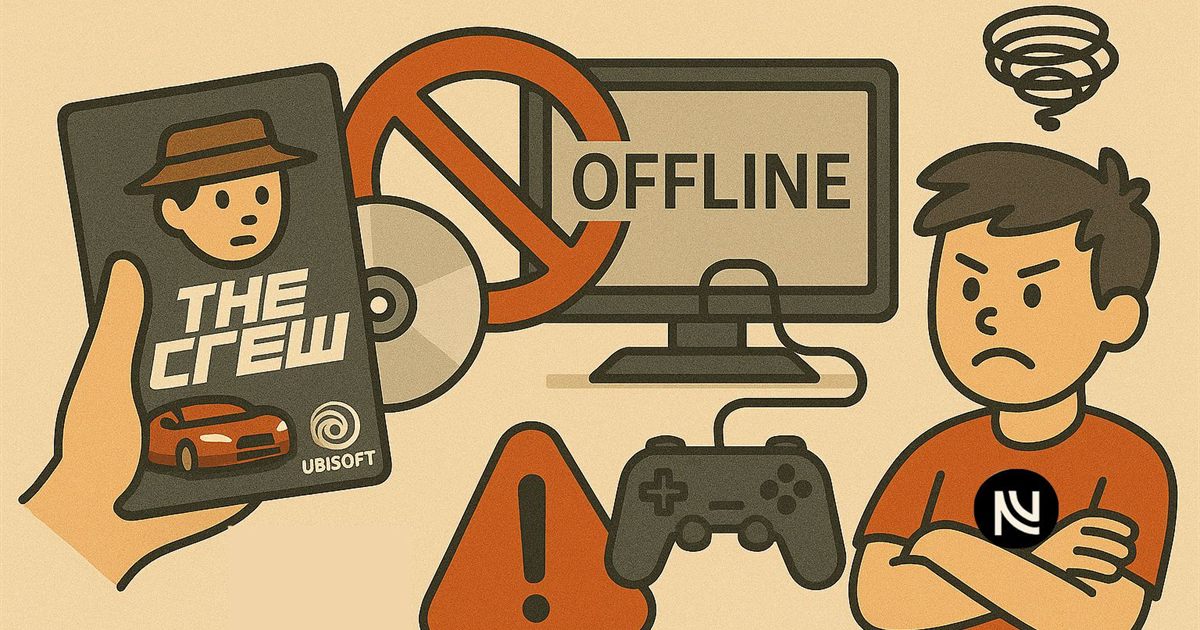
What rights do you have over the video games you buy online?
When the servers shut down, what is left? What you really buy when you pay for a video game, what consumer law says and what the studio must disclose.
Artificial intelligence law in Spain: what changes for your game studio
Spain's AI bill is before Parliament and the EU AI Act already applies. What a game studio must do: player notices, deepfakes and penalties.
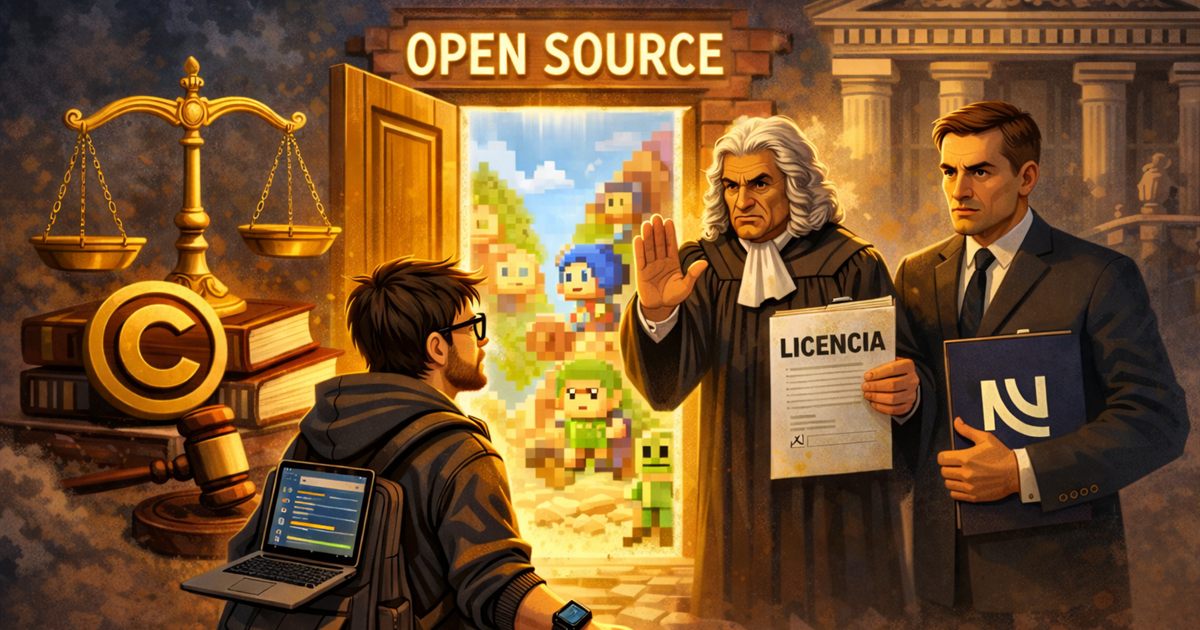
Can I sell a video game built with open source code?
Can you sell a video game built on open source code? What each licence (MIT, Apache, GPL) allows, who owns the code and the risks you take on.
Does your studio have a question this archive does not answer? Write to us.
Free consultation